Source Folding Lightweight Sports Wheelchair for Racing
Explore 30 verified options for the folding lightweight sports wheelchair. Compare aluminum alloy frames, 100kg load capacity, and CE/FDA certifications to find the right model for outdoor leisure and competitive racing; compare the available evidence and request quotations based on your requirements.
Key considerations
Products List




Comprehensive Sourcing Guide
Folding Lightweight Sports Wheelchair Sourcing Guide
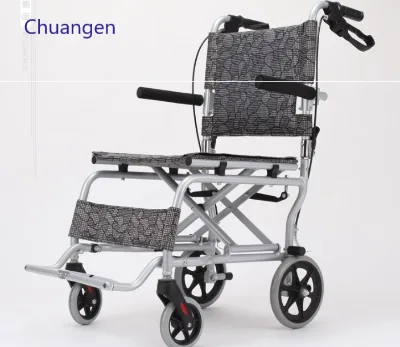
Procuring a folding lightweight sports wheelchair requires distinguishing between general mobility aids and high-performance racing models designed for active use. The observed market data indicates a specific product category characterized by aluminum alloy frames, removable wheels, and compact folding dimensions that facilitate transport. Buyers must verify that the listed "Leisure Sports Wheelchair" or "Sport Racing Wheelchair" designation aligns with the intended athletic application, as general leisure models may lack the structural rigidity required for competitive racing.
The commercial landscape for these units presents a wide price variance, ranging from approximately $23.50 to over $1,400, which often reflects differences in component quality, wheel size, and customization options. A lower price point may correspond to basic configurations with standard seat widths, while higher costs typically cover specialized racing geometries or premium finishes. Sourcing professionals should analyze the unit price against the specific technical requirements of their athletes to ensure the selected model offers the necessary balance of weight reduction and durability without compromising safety standards.
Product Scope and Observed Listing Signals
The product scope for this category is defined by specific physical attributes, including a maximum load capacity of 100kg and a frame weight around 12kg, which are critical for performance and portability. Listings frequently highlight folding capabilities with dimensions reducing to roughly 920630400mm or 800320750mm, depending on the specific model configuration. Buyers should scrutinize these folded dimensions to ensure compatibility with their transport vehicles, as the variance in reported sizes suggests different folding mechanisms or frame designs that impact storage efficiency.
Market signals also reveal variations in wheel specifications, with rear wheels commonly listed as 24 inches and front wheels as 4 inches, though some entries may differ. The availability of multiple seat widths, ranging from 36cm to 42cm, and seat depths indicates a need for precise sizing to match user anthropometry. Procurement teams must confirm that the "Folding" attribute is genuine and that the "Leg Rest Type" matches the user's needs, as options vary between across-both-sides and separate-side configurations, directly affecting the wheelchair's utility for different sports disciplines.
Technical Specifications to Verify
Technical verification must begin with the frame material, which is consistently identified as aluminum alloy across the observed listings, ensuring a favorable strength-to-weight ratio. Buyers should demand proof of the specific alloy grade and wall thickness, as these factors determine the wheelchair's ability to withstand the high-impact forces generated during sports activities. The listed maximum load of 100kg serves as a baseline, but for competitive racing, the structural integrity under dynamic stress is more critical than static load capacity, requiring detailed engineering data from the supplier.
Dimensional accuracy is another vital verification point, particularly regarding the overall size and folded size, which can vary significantly between models. The seat width options of 360mm to 420mm and seat depths of 380mm to 420mm must be matched precisely to the user's measurements to prevent discomfort or instability during movement. Additionally, the height of the handle, typically ranging from 75cm to 79cm, and the wheel removability features must be confirmed to ensure the wheelchair meets the specific ergonomic and logistical requirements of the intended sport.
Compliance and Safety Documentation
Compliance documentation is essential for validating the safety and regulatory standing of the wheelchair, with certifications such as CE, ISO, FDA, and ISO13485 frequently cited in product listings. These standards indicate that the manufacturer adheres to specific quality management systems and medical device regulations, which is crucial for liability protection and market access. Buyers should request valid, up-to-date certificates for each specific model, as the presence of a certification on a general product page does not guarantee that every configuration or batch meets the same rigorous safety thresholds.
The distinction between general certifications and specific product testing results is a key area for due diligence. While the observed data lists ISO9001 and ISO13485, these are management system standards rather than direct product performance tests. Procurement teams must verify if the supplier has conducted specific mechanical stress tests, fatigue analysis, or crash tests relevant to sports wheelchairs. Relying solely on the presence of a certification label without reviewing the associated test reports can lead to the acquisition of equipment that fails under the unique demands of athletic use.
Cost Drivers and Commercial Terms
Cost drivers in this market are heavily influenced by the level of customization, wheel specifications, and the complexity of the folding mechanism. The observed price range suggests that basic models with standard colors and fixed dimensions are available at the lower end, while units with adjustable leg rests, multiple color options, and specialized racing geometries command higher prices. Buyers should understand that the "Customization: Available" attribute often incurs additional costs and longer lead times, which must be factored into the total cost of ownership and project budgeting.
Commercial terms such as Minimum Order Quantity (MOQ) and packaging standards also significantly impact the procurement strategy. The observed MOQ range of 1 to 50 units allows for flexibility, but bulk orders may unlock better pricing tiers. Packaging is typically described as standard export paper cartons, with some listings specifying one set per carton, which affects shipping volume and cost. It is vital to clarify whether the quoted price includes the cost of the carton packaging and if the supplier offers consolidated shipping options to reduce logistics expenses for larger orders.
Supplier Qualification and Quality Control
Supplier qualification requires a thorough assessment of the manufacturing location and production capabilities, with origins noted in Nanjing and Anhui, Jiangsu, China. These regions are known for their manufacturing clusters, but buyers must verify the specific factory's capacity to produce high-performance sports equipment rather than general mobility aids. The presence of a one-year guarantee is a standard offering, but the scope of this warranty, including coverage for frame cracks or wheel failures, must be explicitly defined in the contract to protect the buyer from premature product failure.
Quality control processes should be validated through on-site audits or third-party inspection reports, focusing on the welding quality of the aluminum alloy frame and the assembly of the folding joints. Since the product is intended for sports, the tolerance levels for wheel alignment and the durability of the footrests are critical quality metrics. Buyers should request a sample unit for independent testing to verify that the actual weight, load capacity, and folding mechanism performance match the supplier's claims before committing to a larger purchase order.
Long-Term Procurement Checks
Long-term procurement success depends on establishing a reliable supply chain that can consistently deliver products meeting the evolving needs of athletes. Buyers should monitor the supplier's ability to maintain consistent quality across different production batches, as variations in aluminum alloy sourcing or component suppliers can affect the final product's performance. Regular re-verification of certifications and quality control records is necessary to ensure that the supplier continues to adhere to the required standards over the life of the contract.
Sustainability and after-sales support are also critical factors for long-term viability. The procurement strategy should include a plan for spare parts availability, such as replacement wheels, tires, and leg rest components, to minimize downtime for users. Additionally, buyers should assess the supplier's responsiveness to warranty claims and their capacity to provide technical support for troubleshooting. Building a partnership based on clear communication and mutual commitment to quality will ensure a steady supply of reliable equipment for the organization's long-term athletic programs.
FAQs
What certifications do these folding lightweight sports wheelchairs typically carry?
Listed models reference CE, FDA, ISO13485, and ISO9001 certification. Certification can vary by product listing, so buyers should confirm which certificates apply to the exact model and request copies of current documents before ordering. Checking certification early helps avoid customs or tender compliance issues later.
How much weight can a folding lightweight sports wheelchair support?
The listed maximum load is 100kg for these aluminium alloy models. Buyers should confirm the load rating on the specific model ordered, since sport-oriented frames may differ from standard wheelchairs. Staying within the rated limit protects the folding mechanism and keeps the warranty valid.
What are the folded dimensions for transport and storage?
Listed folded dimensions include 920*630*400mm and 800*320*750mm depending on the model. These compact fold sizes let the chair fit in a car trunk or storage closet. Always confirm the folded size of your chosen model, as sport variants with larger rear wheels may fold slightly differently.
Can I customize the seat width or color of a sports wheelchair?
Yes, customization is available on listed products. Seat widths are offered at 360/380/400/420mm, and colors include white, black, or colorful multiple-colour options. Contact the supplier with your required seat width and preferred colour before ordering, since customized units may need longer production time than stock models.
How much does a folding lightweight sports wheelchair weigh?
Listed models weigh about 12kg net, thanks to the aluminium alloy frame. This low weight makes lifting into a vehicle and everyday handling easier for users and caregivers. Confirm the exact shipping weight with the supplier, because packaging and optional removable wheels can affect the total figure.
Which wheel sizes come with these folding sports wheelchairs?
Listed models use 24 inch rear wheels and 4 inch front wheels, with removable wheels noted on some products. The large rear wheels support outdoor leisure and sport use, while small front casters improve maneuverability. Verify wheel configuration on your chosen model, especially if you need quick-release removable wheels for compact transport.
What is the warranty period for these wheelchairs?
Listed products offer a 1 year guarantee. Coverage terms can differ between listings, so request the written warranty policy before placing an order. Clarify what the guarantee covers, such as frame and folding mechanism, and whether consumable parts like tires or casters are excluded from the warranty period.
How are folding lightweight sports wheelchairs packed for shipping?
Listed packing is one set per carton, using standard export paper cartons. Each electric or manual model ships in its own carton to protect the frame and wheels during transit. Confirm carton dimensions and gross weight with the supplier when calculating freight, especially for consolidated container shipments.